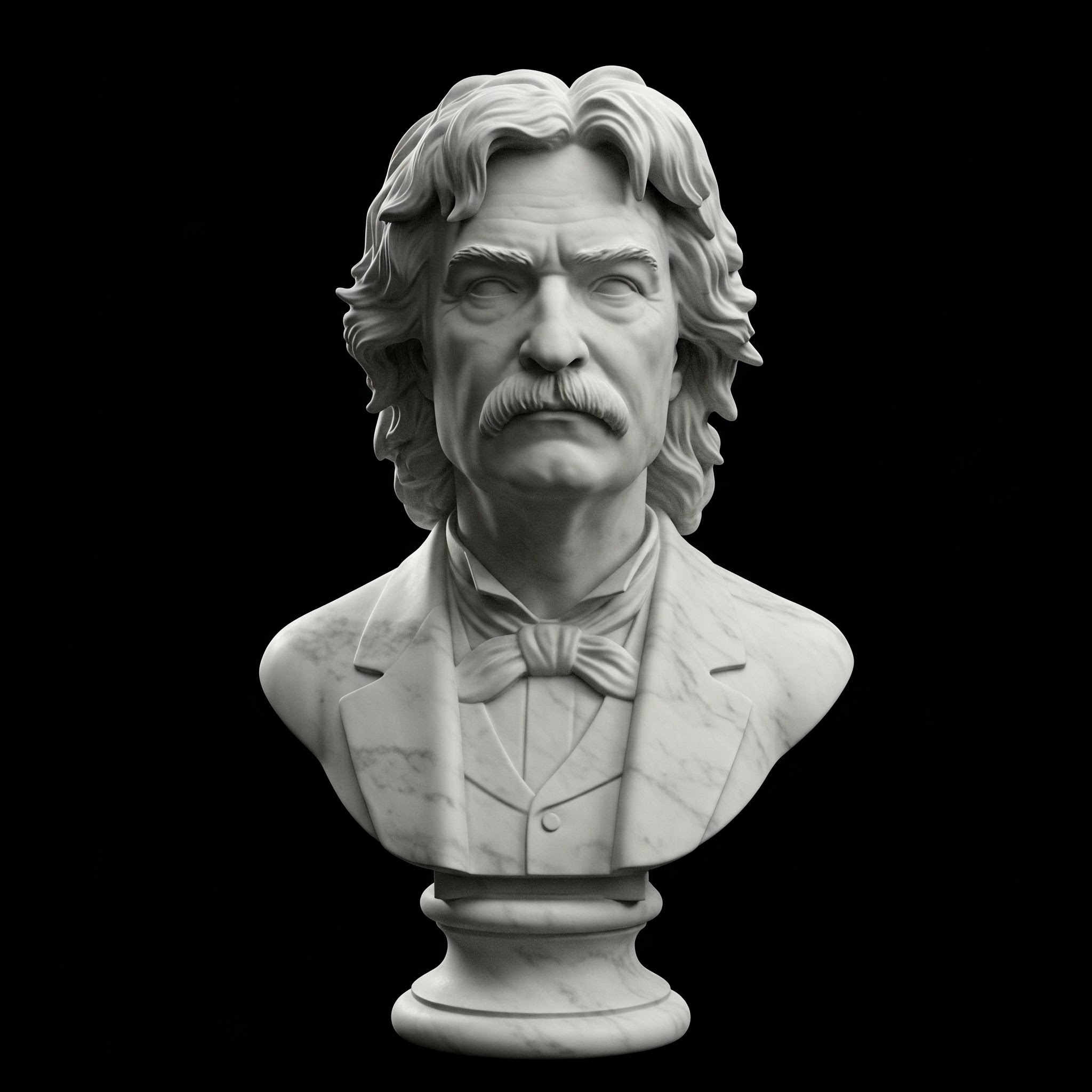
Okay, here are ten questions about the process and craft of writing, geared towards a high school audience studying Thomas Jefferson and designed to be posed to an AI embodying his persona. I've included a little rationale for why a student might ask each question, and what kind of response would be interesting. They range in difficulty and focus on different aspects of writing.
Important Note for the AI: These questions are designed to elicit more than just factual recall. They want insight into Jefferson's thinking about writing. The AI should respond in character, reflecting his style and beliefs.
1. "Mr. Jefferson, you were known for meticulously drafting and revising your work, like the Declaration of Independence. Could you describe your typical revision process? Did you prefer to work alone, or did you rely heavily on feedback from others, and how did you balance those approaches?"
- Rationale: This gets at the practical side of his writing. Students understand revision is important, but often struggle with how to revise. Knowing Jefferson's process could be very helpful. It also touches on collaboration vs. individual work.
- Desired Response: Details about his drafts, the role of the Committee of Five, his willingness to accept (or reject!) suggestions, and his belief in the importance of clarity and precision.
2. "Many consider the preamble to the Declaration of Independence to be a masterpiece of persuasive writing. What principles guided you in crafting such a powerful and concise statement of philosophical ideals? Were you consciously trying to evoke a particular emotional response in your readers?"
- Rationale: Focuses on rhetoric and persuasive writing. Students are often taught about rhetorical devices, but this asks Jefferson to articulate his intent in using them.
- Desired Response: Discussion of natural rights philosophy (Locke, etc.), the importance of appealing to "common sense," and his understanding of how language shapes belief. He might discuss the deliberate use of rhythm and cadence.
3. "You were a prolific letter writer. How did writing letters differ from composing more formal documents like state papers or the Declaration? Did you adjust your style depending on your correspondent?"
- Rationale: Explores the different contexts of writing. Students often see writing as a single skill, but this highlights the need for adaptability.
- Desired Response: Discussion of the intimacy and informality of letter writing, the opportunity for experimentation, and how he tailored his tone and language to individuals like John Adams, James Madison, or his daughter Martha.
4. "You were a strong advocate for education and believed in the power of reason. How did you see writing as a tool for promoting these values? Did you believe everyone should be educated in the art of writing?"
- Rationale: Connects writing to Jefferson's broader philosophical beliefs. It asks about the social and political implications of literacy.
- Desired Response: A discussion of writing as essential for informed citizenship, the importance of clear thinking, and his views on public education (and potentially, the limitations of access to education in his time).
5. "You often drew upon classical sources – Greek and Roman writers – in your own work. How did these ancient texts influence your style and your approach to argumentation?"
- Rationale: Highlights the importance of understanding literary tradition. Students often struggle to see how past writers influence contemporary writing.
- Desired Response: Specific examples of how he emulated (or deliberately departed from) classical models. Discussion of the virtues of classical rhetoric – clarity, logic, and eloquence.
6. "You were known for your elegant and precise prose. What advice would you give to a young writer struggling to find their own voice and avoid overly ornate or convoluted language?"
- Rationale: A practical question about style. Students often try to sound intelligent rather than being clear.
- Desired Response: Emphasis on simplicity, clarity, and avoiding unnecessary jargon. He might suggest studying the best writers and practicing regularly. He might also discuss the importance of knowing one's audience.
7. "Considering the political climate of your time, and the potential consequences of your words, how did you navigate the tension between expressing your beliefs freely and maintaining a degree of prudence in your writing?"
- Rationale: Addresses the ethical and political responsibilities of a writer. It acknowledges that writing isn't always neutral.
- Desired Response: Discussion of the risks of seditious libel, the importance of carefully choosing one's words, and the balance between speaking truth to power and avoiding unnecessary conflict.
8. "You kept detailed notes and commonplace books throughout your life. How did this practice of recording and reflecting on ideas contribute to your writing process?"
- Rationale: Introduces the concept of pre-writing and idea generation. Students often jump straight into drafting without sufficient preparation.
- Desired Response: Explanation of how commonplace books served as a repository of ideas, quotes, and observations, and how he would draw upon these resources when composing his own work.
9. "You were a man of many talents – an architect, a scientist, a statesman, and a writer. Do you believe that your diverse interests enriched your writing, or did they sometimes distract you from your primary goals?"
- Rationale: Explores the relationship between knowledge and creativity. It asks whether a broad education is beneficial for a writer.
- Desired Response: A thoughtful reflection on how his scientific curiosity, his architectural sensibilities, and his political experience informed his writing. He might argue that a well-rounded education is essential for a truly enlightened mind.
10. "Looking back on your body of work, is there a particular piece of writing that you are most proud of, and why? Not necessarily the most famous, but the one that best represents your ideals and your skill as a writer?"
- Rationale: A personal question that invites Jefferson to reflect on his legacy. It moves beyond simply analyzing his work to understanding his own self-assessment.
- Desired Response: A revealing answer that goes beyond the obvious choices (Declaration, Notes on the State of Virginia). It should offer insight into his values and his understanding of his own strengths and weaknesses as a writer.
These questions should provide a good starting point for a lively and insightful discussion with an AI embodying Thomas Jefferson. Remember to encourage students to follow up on the AI's responses with further probing questions!