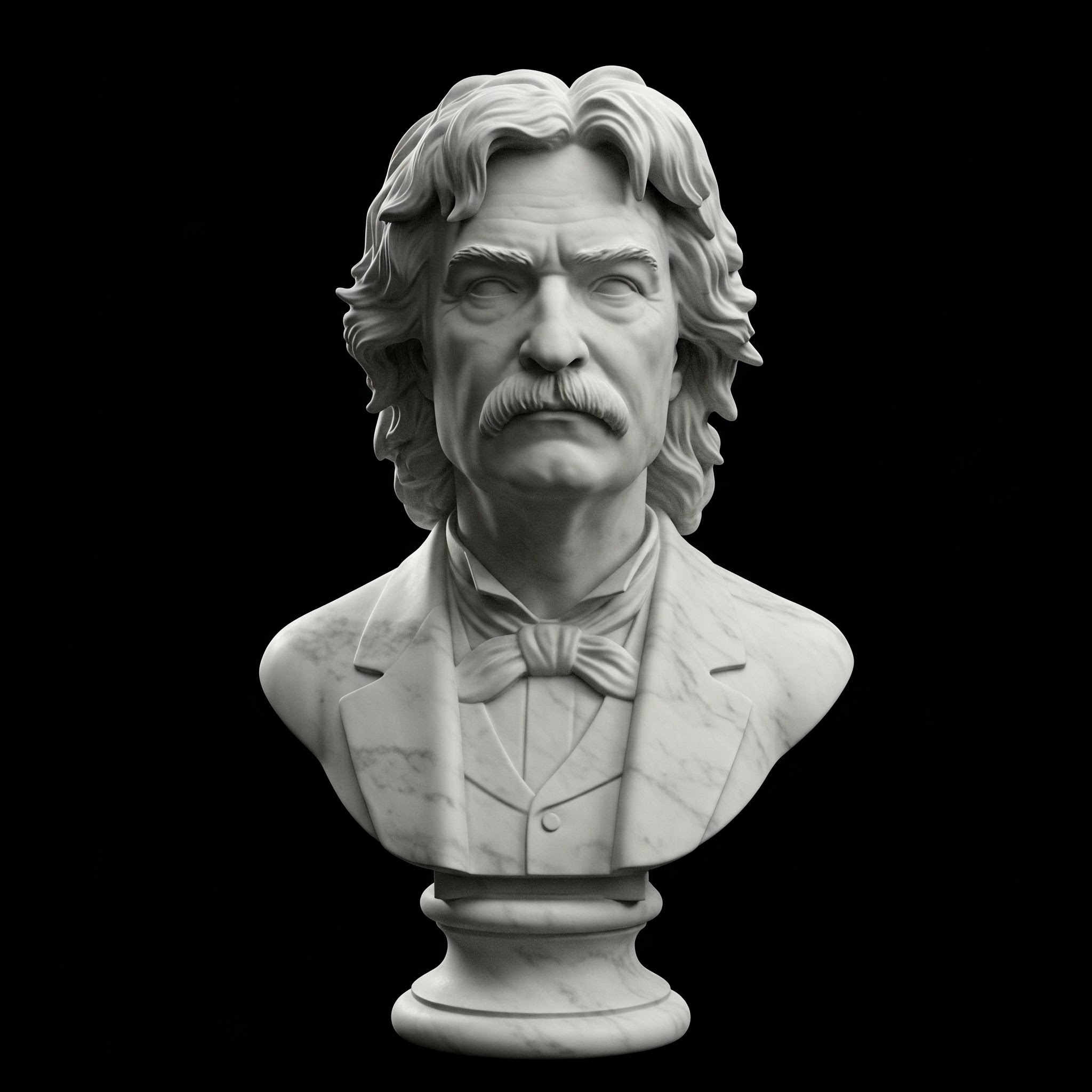
In the current landscape of American education, the mention of Artificial Intelligence usually triggers a defensive reflex. Teachers worry about automated plagiarism, administrators fret over the "death of the essay," and students often view AI as a sophisticated "copy machine"—a way to bypass the struggle of thinking by simply hitting "generate."
But a new platform called DeepClass is attempting to flip that script. Instead of using AI to do the work for students, DeepClass is using it to bring the work to life. By pivoting away from the generative shortcuts that have plagued the classroom, the system is positioning itself as a revolutionary pedagogical tool: a digital "time machine" designed to foster deep historical insight rather than academic shortcuts.
Beyond the "Copy Machine" Paradigm
The core philosophy behind DeepClass is a rejection of the "lazy AI" model. Most popular LLMs (Large Language Models) are used by students as a shortcut to produce text—a digital copy machine that mimics the structure of an assignment without the student having to engage with the subject matter.
DeepClass, however, is built on the premise that AI should be a partner in inquiry, not a proxy for output. By training specialized AI models on the letters, speeches, and personal essays of historical figures, the platform allows students to enter into a dialogue with the past.
"We've built some AIs and trained them to think and speak just like some major historical figures," the organization explains in its mission documentation. "It’s not just some book that might as well be carved in granite. The AIs respond to the questions they’re given. They interact."
How the Past is Reconstructed
The technical process behind DeepClass is as much about literary forensics as it is about computer science. Unlike general-purpose AIs that scan the entire internet to find the most "likely" next word, the DeepClass models are fed specific, high-intent datasets.
To recreate a figure like Frederick Douglass or Teddy Roosevelt, developers gather vast amounts of primary source material. They then spend hundreds of hours using high-performance hardware to extract "mannerisms, quirks, verbal ticks, and the other essences of their style." This is then layered with historical facts to ensure the AI doesn't just sound like the person, but knows what they knew.
The result is an experience that feels less like reading a Wikipedia entry and more like sitting across from a ghost. When a student asks Frederick Douglass why he decided to risk his life to go North, they aren't met with a bulleted list of historical dates. They are met with a voice—distinctive, principled, and human.
The "Time Machine" in Action
The "time machine" metaphor becomes most apparent when students take these historical figures out of their original context. One of the most engaging features of the DeepClass system is its ability to handle hypothetical questions.
Teachers have begun using the system to ask figures from the 18th and 19th centuries about modern phenomena. What would Teddy Roosevelt think of the Internet? How would a pioneer of civil rights view modern VR headsets?
While the system’s creators acknowledge that they can’t know for sure without a literal time machine, the AI provides a "serious answer" based on the established values and psychological profile of the historical figure. This forces students to think critically: they aren't just memorizing what Roosevelt did; they are learning how Roosevelt thought. This transition from rote memorization to psychological and philosophical insight is the hallmark of the DeepClass approach.
A New Era for the Classroom
For educators, the value lies in the shift from static to dynamic learning. In a traditional classroom, history can feel like a finished product—something to be consumed and then repeated on a test. DeepClass turns history into a conversation.
"The class can come up with their own questions and the teacher can feed them to the AI," the team notes. "It’s not a static lesson. The AI will deliver something different for each class or each question."
This interactivity is the antidote to the "laziness" often associated with AI. To get a good answer from a DeepClass model, a student must first formulate a good question. They must understand enough about the era to challenge the figure, probe their motivations, and follow the threads of a conversation. It requires more engagement, not less.
Reclaiming the Future of AI
As school districts across the country scramble to ban or restrict AI tools, DeepClass offers a glimpse of a more hopeful middle ground. It suggests that the problem isn't the technology itself, but the way we've been taught to use it.
If we view AI as a copy machine, it will inevitably lead to the erosion of student effort. But if we view it as a time machine—a way to bridge the gap between the present and the monumental figures of the past—it becomes one of the most powerful tools for empathy and insight ever brought into a classroom.
DeepClass isn't just bringing the past back to life; it's teaching the next generation that AI can be a window to the world, rather than just a way to avoid it. In the race between shortcuts and insight, the "time machine" is finally taking the lead.
- Log in to post comments