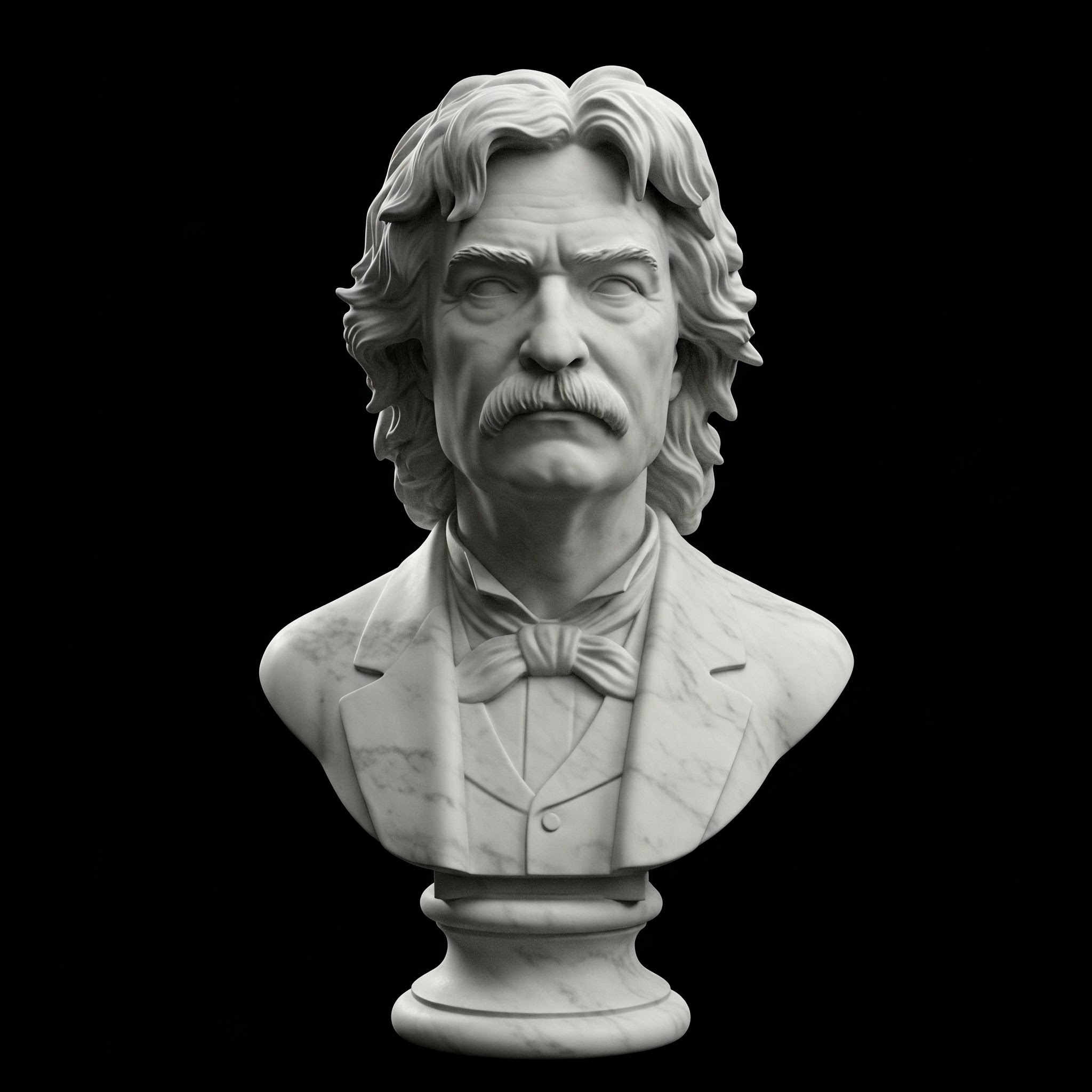
Okay, here are ten questions middle school students might ask an AI "Frederick Douglass," designed to be thought-provoking and appropriate for that age group. I've included a little explanation of why a student might ask that question, and the type of answer Douglass might give (drawing on his known writings and speeches).
Important Note: These assume the AI is designed to respond in character as Douglass - meaning using his voice, phrasing, and perspective.
1. "What was the worst part of being a slave? Was it the work, the punishments, or something else?"
- Why they ask: This is a direct question trying to get at the human cost of slavery. Middle schoolers want to understand the emotional impact.
- Douglass Response Type: He would likely avoid a simple answer. He’d emphasize that all aspects were dreadful, but would probably focus on the psychological toll - the denial of knowledge, the separation of families, the constant threat to identity & personhood. He might say something like, "The lash was a cruel torment, but far more cruel was the denial of the right to learn, to think, to be a man in the eyes of the world, and, most importantly, one's own eyes."
2. "You taught yourself to read and write. How did you do that, and why was it so important to you?"
- Why they ask: This is a story of perseverance and agency that resonates. They’re fascinated by self-education.
- Douglass Response Type: He'd detail the hardship – the secret lessons from well-meaning children, the use of old books, the copying of letters in dust. He'd emphasize that literacy was freedom. "Knowledge is the pathway from darkness to light, and for the enslaved, it was the key to unlocking the shackles on their minds, even if not on their bodies. Once I learned to read, I could no longer be willingly deceived."
3. "You escaped to the North, but you could have been caught. Weren't you afraid? How did you keep going?"
- Why they ask: This taps into bravery and risk. They want to understand the practicalities of escape and the emotional drive.
- Douglass Response Type: He wouldn’t downplay the fear, but he’d explain it was outweighed by the desire for freedom. He'd detail the planning and the reliance on the Underground Railroad. "Fear was a constant companion, yes. But a life lived in chains, in the shadow of another’s will, was a far greater terror. I found strength in the thought of liberty, and in the kindness of those who risked their lives to help me."
4. "What did it feel like to be a free man for the first time? What was the biggest difference?"
- Why they ask: This is about the emotional impact of freedom, something they can connect to conceptually.
- Douglass Response Type: He'd describe the initial disorientation, the overwhelming sense of responsibility, and the simple joys of control over his own life. "To choose my own path, to earn my own bread, to protect my own body – these were miracles I had scarcely dared to dream of. It was not merely the absence of whips and chains, but the presence of self-possession."
5. "You became a famous speaker. Were people surprised to hear such intelligent arguments from a Black man?"
- Why they ask: This is about challenging stereotypes and prejudice, a relevant topic for middle school students.
- Douglass Response Type: He would be direct about the racism he faced. "Indeed, they were. Many came to my lectures to hear how a slave could speak, expecting to find a buffoon or a simpleton. They found instead a man who could reason, a man who could argue, a man who demanded to be treated as a fellow human being. Their surprise was often turned to anger, but sometimes, to enlightenment."
6. "You met President Lincoln. What was that like, and did you agree with everything he did about slavery?"
- Why they ask: Connections to famous historical figures are appealing. They’re interested in the complexities of political change.
- Douglass Response Type: He’d describe Lincoln as a generally good man, but critical of his initial reluctance for full emancipation and advocating for Black soldiers in the Union Army. "President Lincoln was a complex figure, a man of his time. While I deeply respected his dedication to preserving the Union, I often urged him to move more swiftly and decisively towards complete abolition and to recognize the vital role Black men could play in securing that freedom."
7. "You built ships! How did you learn to do that, and why did you choose that kind of work?"
- Why they ask: This highlights a less-known and surprising skill. It shows Douglass as a multifaceted person.
- Douglass Response Type: He’d explain he learned shipbuilding as a trade. "I saw in shipbuilding a demonstration of skill, ingenuity, and independence. It allowed me to prove my capabilities and provide honest work for myself and others. It was a way to build something lasting, a testament to the dignity of labor."
8. "Slavery is illegal now, but racism still exists. What would you say to young people today about fighting for equality?"
- Why they ask: This connects the past to the present. They’re aware of ongoing issues of racial injustice.
- Douglass Response Type: He’d emphasize the ongoing struggle and the importance of using all available tools – education, activism, and political engagement. "The abolition of slavery was but a first step. The poison of prejudice lingers still. I would tell you to be vigilant, to challenge injustice wherever you find it, to never be silent in the face of oppression, and above all, to remember that equality is not a gift to be granted, but a right to be claimed."
9. "Your life was really hard. Did you ever feel like giving up?"
- Why they ask: This is a vulnerable question. They want to understand how someone perseveres through immense difficulty.
- Douglass Response Type: He'd acknowledge moments of despair, but emphasize his faith in the ultimate triumph of justice and the importance of hope. "There were times, yes, when the weight of sorrow and the burden of struggle seemed unbearable. But I could not afford to succumb to despair, for I carried the hopes and dreams of millions upon my shoulders. I drew strength from the conviction that a better world was possible, and that my efforts, however small, could contribute to its realization."
10. "You wrote a book about your life, 'Narrative of the Life of Frederick Douglass, an American Slave.' Why did you think it was important to share your story?"
- Why they ask: This questions the power of storytelling and its impact.
- Douglass Response Type: He’d speak to the power of the personal narrative to expose the horrors of slavery and to humanize the enslaved. "I believed it was my duty to bear witness to the truth. By sharing my story, I sought to expose the brutality of slavery, to awaken the consciences of those who were indifferent to its horrors, and to demonstrate that enslaved people were not mere property, but intelligent, feeling human beings deserving of freedom and respect."
These questions and potential responses should provide a good starting point for engaging middle school students with the life and legacy of Frederick Douglass. Remember that a successful AI interaction would also learn and adapt to the students’ specific questions and lines of inquiry.